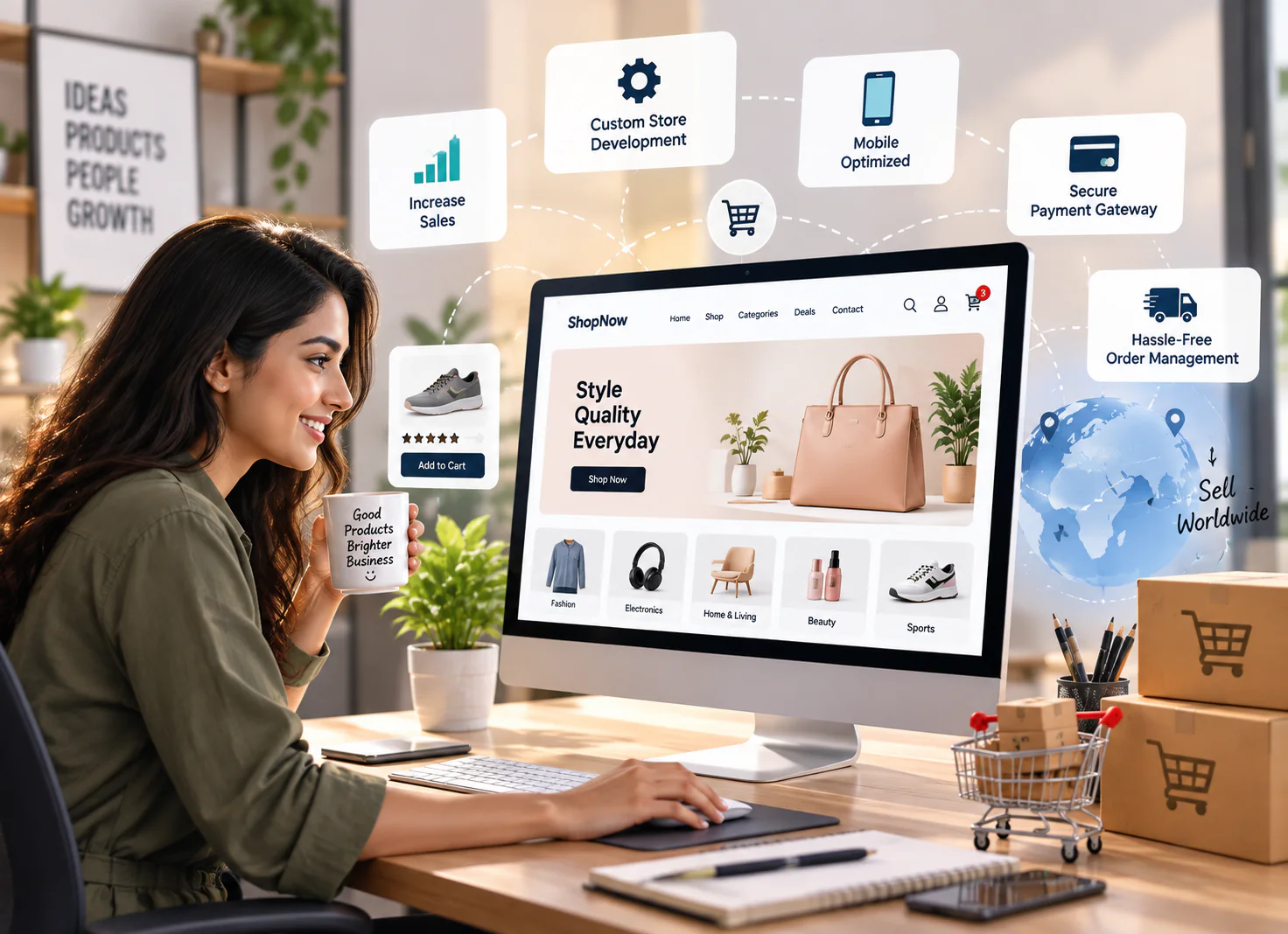
You can’t call yourself a merchant in the ecommerce field, if you haven’t heard of Shopify. This is a platform that will be the first name on the lips of anyone discussing leading eCommerce hubs that allows businesses to easily create and manage online stores.
According to statistics from Analyzify, Shopify ranks 10th among global services and has served more than 700 million shoppers. That’s insane when you think about it and it also makes you realize what a high-performing Shopify store can do for the growth of your business and your bottom line.
This article will guide you on what you need to know and do on Shopify for eCommerce development to attract customers and ensure an exceptional shopping experience.
Choose the Right Shopify Theme
Having the right theme on your Shopify store isn’t talked about enough which is weird because it’s something that can make or break your store. It's important to choose a theme that not only captures the essence of your brand and enhances the user experience but makes your store visually appealing and functional. Perhaps it explains why a lot of businesses hire Shopify developer - choosing the right theme impacts how your customers interact with your products. With more than 170 themes on the platform, you’re spoiled for choice on what you can use to improve your site’s performance and boost conversion rates. However, the sheer number of themes also has its downside - how do you know which one to use? We can help you figure that out by highlighting what you need to look for in Shopify theme:- Mobile Responsiveness: 77% of Shopify's traffic comes from mobile traffic, showing how important mobile responsiveness is. You should target a theme that enables your store to look great and function smoothly on all devices.
- SEO Optimization: What if we tell you that Shopify has more than 2.1 million active users daily? This is why you need a theme that can improve your store's visibility on search engines so you can tap into that juicy organic traffic.
- Customization Options: Choose a theme that lets you personalize the layout, colours, fonts, and other elements to match your brand.
- Speed and Performance: Ensures fast loading times, which is crucial for improving key metrics such as click-through rate and time spent on site.
- Built-in Features: Go for a theme with features such as product sliders, quick view options, and other tools that enhance the shopping experience.
Optimizing Your Shopify Store for SEO
As a Shopify store owner, you can't do without SEO unless you don't care about driving sales, attractive organic traffic, or enhancing visibility. To make your products easily discoverable by potential customers, here's what you need to do:- Keyword Research: Identify relevant keywords that match what your audience is searching for.
- On-Page Optimization: Optimize meta titles, descriptions, and headings in your product pages to include target keywords.
- Link Building: Acquire backlinks from reputable websites to boost authority
Tips on Optimizing Your Shopify Store’s Product Pages and Blogs
- Use descriptive and keyword-rich product titles.
- Write unique and engaging product descriptions.
- Optimize the images with alternate text.
- Regularly update your blog with valuable, SEO-friendly content.
Using Shopify Apps to Enhance Your Store
Did you know that more than 85% of Shopify store owners use apps to boost their performance? So you can't afford to be left out. With more than 10,000 options on the app store, you have unlimited ways to add functionality, streamline operations, and enhance the customer's experience. The most popular options include Locksmith, VF Image Optimizer, Bulk Discount Code Bot, etc. But you can opt for an unconventional approach - hire Shopify developer to design a custom (and most likely) a multipurpose application for your store. When choosing or designing Shopify apps:- Consider the needs and goals of your store
- Read user reviews and ratings to gauge its reliability
- Check if the value it offers matches the price
- Ensure it's compatible with your store's theme and existing apps.
Final Words
Creating a high-performance Shopify store entails a lot- optimizing your site for SEO, using Shopify apps, and choosing the right theme. But when you think of the benefits, it's a no-brainer. Besides, you can't afford to cut corners in Shopify for eCommerce development if you really want to drive traffic and boost sales. If these sound enticing to your business, the first step should be to hire Shopify developers and create a store that will compete favorably on the platform.Article Topics
#E-commerce development#E-commerce SEO#Hire Shopify Developer#SEO for Shopify Store#Shopify Development
Written by
V
Varun Solanki
Varun Solanki is a Sr. Web Developer at Rajarshi Solutions with 7 years of experience in web development. He has hands-on experience in building, improving, and maintaining websites with a focus on performance, functionality, user experience, and clean development practices. Over the years, Varun has worked on websites across different industries and understands the practical challenges involved in developing websites that are reliable, user-friendly, and business-focused. Through his articles, Varun shares his web development experience, practical tips, and insights on the latest technologies and trends to help businesses and developers make better decisions.
Found this article helpful?
Share it with your colleagues and professional network.